
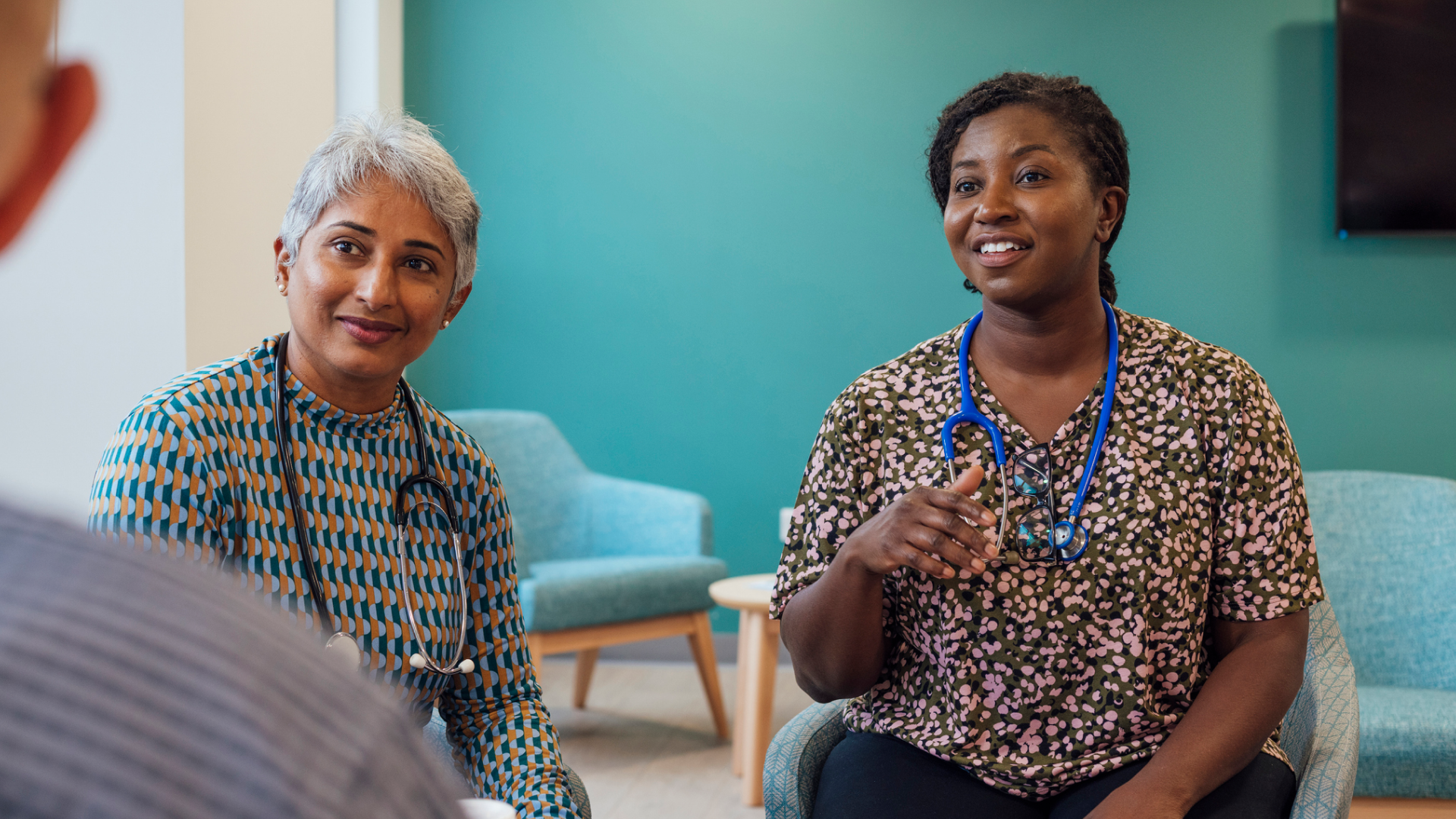
Spotting cancer early is one of the most meaningful moments in healthcare.
Yet it often begins with something small - a feeling that something isn’t quite right, a symptom that could easily be explained by everyday life, or a concern someone has carried for weeks before finding the courage to speak to a doctor. These early clues matter. But they can be incredibly hard to see.
When symptoms hide in plain sight
Many early signs of cancer are vague. Tiredness. A change in appetite. A persistent ache. Things almost everyone experiences at some point.
Clinicians across the world work within tight appointments, large caseloads, and complex diagnostic pathways. In the UK, this often means a doctor has ten minutes to listen, piece together a story, examine, review history, and decide whether more investigation is needed. In other health systems, the pressures look different, but the challenge is the same.
It’s easy to miss the early signals and it’s incredibly human to worry about missing something important.
The emotional side we rarely talk about
Early cancer detection is not just a clinical task - it carries emotional weight. Doctors want to offer reassurance, but they also want to act in time. Balancing those instinctive desires can be exhausting. Many share that the fear of overlooking something serious stays with them long after a consultation ends.
This pressure grows alongside administrative work: navigating referral pathways, coordinating tests, documenting every detail - all while trying to stay present for the next patient who walks through the door. This is why C the Signs exists: to do the heavy lifting in the background so clinicians can focus fully on the person sitting in front of them.
So what does that actually mean?
- Faster recognition of patients who may be at risk
- Clearer, more personalised diagnostic pathways
- More consistent follow-up and thoughtful safety-netting
- More time in appointments for human connection
Independent real-world evaluations have shown meaningful improvements, including fewer emergency cancer diagnoses and quicker routes to early-stage detection. At the centre of every data point is a person whose cancer was found earlier - and whose choices, time, and future were protected.
For clinicians, this support can ease the constant pressure. For patients, it brings earlier answers and a clearer path forward. For healthcare systems, it helps ensure early diagnosis becomes equitable and achievable for all.
Changing the story, one conversation at a time
Cancer is a disease of time - and every day gained matters.
We're just trying to help give some of that time back, transforming what is possible for millions of people and the clinicians who care for them.








.png)