
Is peanut butter linked to cancer?

Jan 19, 2026
10 min read
Listen to this article

WRITER: C the Signs

Jump To
Stay in the loop!
Subscribe to get our weekly update.
Thank you! Your submission has been received!
Oops! Something went wrong while submitting the form.
C the Signs

C the Signs is an MHRA Class I medical device using AI to identify patients at risk of cancer at the earliest and most treatable stage. Created by doctors and trusted across the NHS, it’s transforming how the world detects cancer - giving every patient the chance to survive, and the time to live.

This is how we defy time. This is how we rewrite the possible.

Learn more

Peanut butter has had a lot of bad press - and not always fairly. It’s one of those foods that often pops up in cancer myths. So let’s clear things up. There’s no good evidence that peanut butter causes cancer.

Where did the cancer myth come from?

The worry comes from something called aflatoxins - natural toxins produced by certain moulds that can grow on peanuts if they’re stored in warm, humid places. Long-term exposure to high levels of aflatoxins has been linked to liver cancer, but this mostly applies to parts of the world where food safety systems aren’t strong or consistent.

In places like the UK, Europe, and the US, strict food standards are in place. Peanuts and peanut butter are carefully tested and monitored to make sure aflatoxin levels stay well below anything that could cause harm. So, if you’re picking up a jar from your local shop, there’s no need to worry.

Is peanut butter safe to eat?

Yes! Better yet, it can even be part of a healthy, balanced diet. Peanuts are full of nutrients: protein, healthy fats, fibre, and antioxidants. Studies haven’t shown any consistent link between eating peanut butter and an increased risk of cancer. That said, peanut butter is calorie-dense. Like many delicious things, it’s best enjoyed in moderation - especially as weight gain and obesity are known cancer risk factors.

Whether it’s organic, crunchy, smooth, or straight from the spoon - all commercial peanut butters sold in regulated markets must meet the same food safety standards. If you’re buying from trusted retailers, your peanut butter has been through rigorous checks, regardless of the label. Choosing natural or no-added-sugar versions can help if you’re watching your sugar or salt intake. But when it comes to aflatoxins or cancer risk, there’s no extra concern.

So, should I worry about peanut butter?

Peanut butter isn’t something most people need to fear. If you’re buying from reputable shops in countries with strong food regulations, it’s been checked, tested, and cleared for safety. Like many everyday foods, it’s about context and balance. Peanut butter on toast isn’t a risk - it’s a snack.

What matters more is your overall lifestyle, your health as a whole, and how you feel in your own body. If you ever notice a change that doesn’t feel right - whether it’s with food, digestion, or anything else - it’s always worth speaking to a doctor. The earlier something’s spotted, the more options you’ll have.

Food and health can feel overwhelming, especially with so many myths out there. But when it comes to peanut butter, there’s no reason for fear. Just good sense, solid science, and perhaps one less thing to worry about in your kitchen cupboard.

play icon

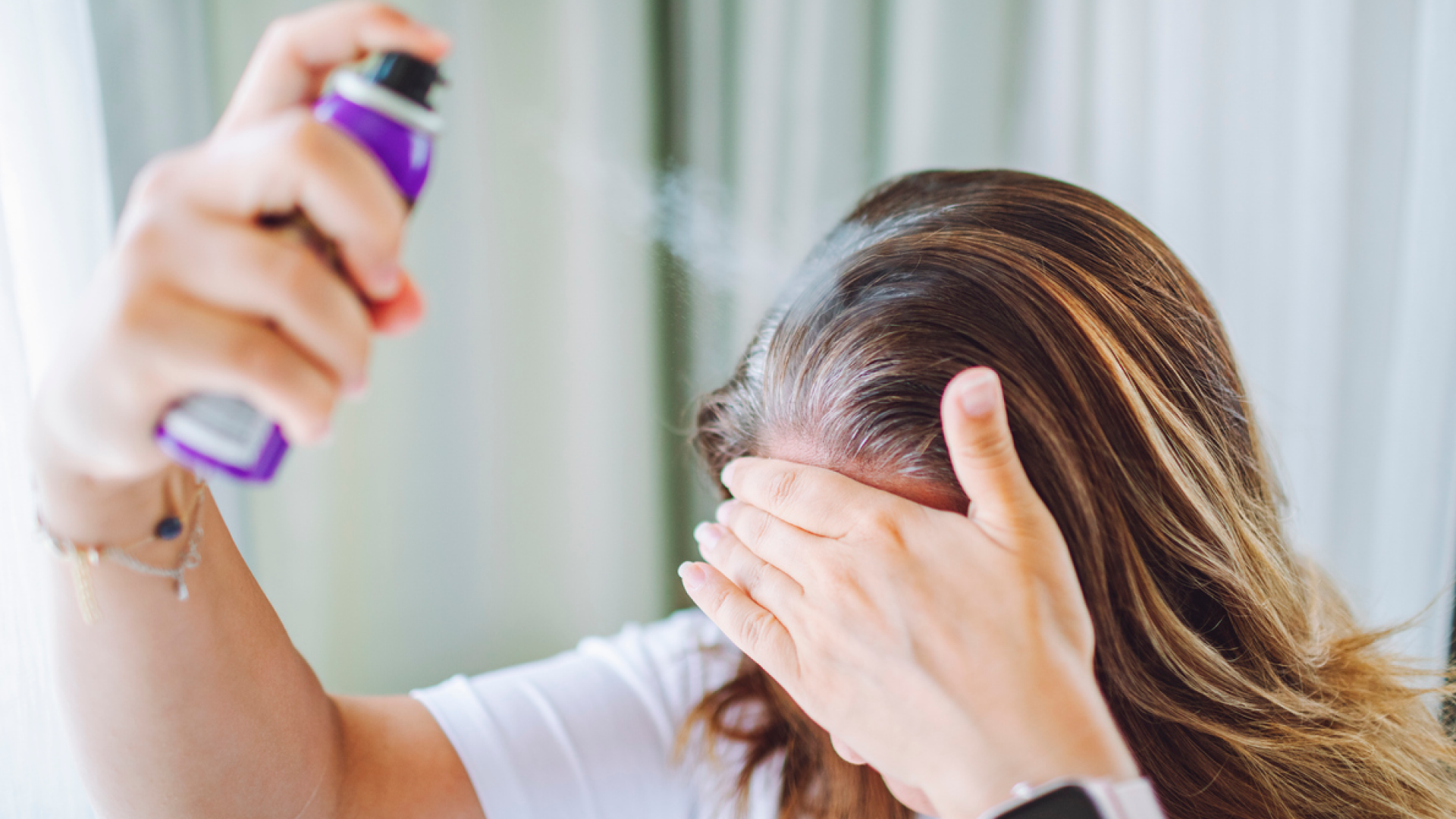
Does dry shampoo increase cancer risk?

Jan 20, 2026

08 min read

Dry shampoo can be a lifesaver - a quick spray on busy mornings, after the gym, or when there’s just no time to wash your hair. But recent concerns about safety have left many people wondering: is it actually safe to use?

Is dry shampoo bad for your health?

Dry shampoo, in itself, isn’t known to be harmful. The worry started when small amounts of benzene - a chemical linked to cancer - were found in a few aerosol products. Benzene is classed as a known carcinogen, but the risk comes from high levels over long periods, often in industrial settings. That’s very different from occasional use at home.

In 2022, independent testing picked up very low levels of benzene in some batches of aerosol personal care products - including a few dry shampoos. As a precaution, those products were recalled. These recalls weren’t triggered by anyone developing cancer - they were a safety-first move. And it was only certain batches, not all dry shampoos.

What is the cancer risk from using dry shampoo?

The evidence so far suggests the cancer risk from using dry shampoo is extremely low for most people. Most of what we know about benzene and cancer comes from:

  • Long-term, high-level exposure
  • Daily contact in certain jobs
  • Years of repeated exposure

That’s not the kind of contact people usually have with dry shampoo.

Is there a link between dry shampoo and cancer?

There’s no need to worry if you’ve been using dry shampoo - but here’s what you can do if you’re still concerned:

  • Check your product to see if it was part of a recall
  • Use sprays in a well-ventilated space to reduce any potential exposure
  • Choose non-aerosol alternatives if you’d prefer to avoid sprays

If your product wasn’t recalled, there’s no evidence that it’s unsafe.

The current research does not show a clear link between dry shampoo use and cancer. The concerns relate specifically to trace benzene in certain spray products - and even then, the risk is thought to be very low. It’s always okay to ask questions about your health. And it’s also okay to want reassurance about everyday products.

play icon

Do smart watches or wearables pose any cancer risk?

Jan 18, 2026

08 min read

Smart watches and fitness trackers are designed to be worn close to the body, often all day. They sit on the skin, collect health information, and connect wirelessly to phones.

Because of that constant contact, it’s understandable to wonder whether they could affect cancer risk over time.

The question usually comes back to the signals they use to communicate.

What kind of signals these devices use

Wearable devices use low-power radiofrequency signals, most commonly through Bluetooth. These signals are non-ionising. That means they do not damage DNA in the way radiation from X-rays or scans can.

When researchers measure how much of this energy is absorbed by the body, the levels are very low. They sit well below international safety limits that are set to avoid known biological effects. The exposure is also much lower than that from a mobile phone.

In the medical literature, wearable devices are not flagged as a cancer concern. Research focuses on how they can be used safely in healthcare - including in cancer care - without evidence of harm linked to their everyday use.

Why the information can feel unsettling

You may see radiofrequency fields described as “possibly carcinogenic” by international agencies.

This label reflects uncertainty, not proof. It is based on a wide range of exposures, many of them much higher or very different from what consumer wearables produce.

At the levels generated by smart watches and fitness trackers, reviews of the evidence have not identified a credible way these signals would lead to cancer. Regulatory bodies have not issued warnings about cancer risk from wearable devices.

What tends to come up in real life

When clinicians see problems linked to wearables, they are usually local and practical.

Most involve the skin. Irritation, pressure marks, or contact allergy from straps or materials are the common issues, particularly if a device is worn tightly or without breaks.

If a skin change under a device doesn’t settle after removing it for a while, it’s reasonable to show it to a clinician. That’s because ongoing skin changes are worth checking on their own terms, not because cancer is expected.

Based on what we know, smart watches and wearable devices do not appear to increase cancer risk.

Questions like this matter because people pay attention to what they live with every day. Understanding the evidence can replace background worry with context. Earlier understanding isn’t about alarm. It gives people more clarity, more choice, and more ease in asking questions when something doesn’t feel right.

References

Guido K, Kiourti A. Wireless Wearables and Implants: A Dosimetry Review. Bioelectromagnetics, 2020.

Fonseka LN, Woo BK. Consumer Wearables and the Integration of New Objective Measures in Oncology. JMIR mHealth and uHealth, 2021.

Beg S, Handa M, Shukla R, et al. Wearable Smart Devices in Cancer Diagnosis and Remote Clinical Trial Monitoring. Drug Discovery Today, 2022.

Triantafyllidis A, Kondylakis H, Katehakis D, et al. Smartwatch Interventions in Healthcare: A Systematic Review. International Journal of Medical Informatics, 2024.

play icon

What spicy food teaches us about pain, perception, and cancer symptoms

Jan 16, 2026

08 min read

On International Hot and Spicy Food Day, many of us will enjoy a meal that brings a familiar kind of heat. The sort that once felt overwhelming, but now barely registers. Over time, our tolerance builds, and what used to feel intense becomes manageable, sometimes even enjoyable. It’s a great example of how adaptable the human body is. But it also highlights something important about health, and about cancer in particular.

Why spicy food causes pain

The burning sensation from spicy food isn’t actually a flavour. It’s a pain response. Chilli peppers contain a compound called capsaicin, which activates pain receptors in the body that are usually triggered by heat or injury. These receptors send signals to the brain that something potentially harmful is happening, even though no real damage is being done. That’s why spicy food can feel so intense, especially at first.

Interestingly, research shows that with repeated exposure, the nervous system begins to respond differently. Studies using both behavioural testing and brain imaging have found that people who eat spicy food regularly often report lower everyday pain sensitivity, and show reduced neural responses to certain pain stimuli. In simple terms, the signal is still there, but the brain reacts less strongly to it.

CREDIT: iSTOCK

This process is known as desensitisation. The body doesn’t stop detecting the stimulus, it just learns to live with it. Over time, spicy food feels less painful not because the heat has gone away, but because the nervous system has adapted. Some studies even show that people who enjoy spicy food begin to experience the sensation as more pleasant than unpleasant, highlighting just how much perception can change with familiarity and expectation - and this ability to adapt isn’t limited to food. People can also get used to physical symptoms.

A mild but persistent ache. A change in bowel habits. Ongoing fatigue. A feeling of being “off” that never quite settles. At first, these changes stand out. Over time, they become familiar, and familiarity has a way of quietening concern. Research into pain perception shows that how we experience sensations is shaped not just by what’s happening in the body, but by context, emotion and repetition. That means two people can experience the same symptom very differently, and it also means that symptoms which become part of everyday life can be easier to ignore, even when they’re still important.

Understanding persistent symptoms

Pain and discomfort aren’t just annoyances. They’re signals.

In cancer care, pain is one of the most commonly reported symptoms and remains an active area of research, both because of how often it brings people to medical attention and because of its impact on quality of life. Scientists are increasingly studying how the nervous system detects and communicates changes in the body, including those caused by cancer itself or by its treatments.

Many cancers are more treatable when they’re diagnosed earlier. But when someone becomes used to a symptom, they may delay mentioning it, sometimes without realising they’re doing so. The signal hasn’t disappeared, it’s just become easier to live with.

Recognising symptoms early

Early cancer detection doesn’t start with scans or tests. It starts much earlier, with noticing when something isn’t right for you. Noticing when a change doesn’t settle, when a symptom keeps coming back, or when “this is probably nothing” starts to feel like a familiar thought. Talking to a healthcare professional sooner rather than later can lead to reassurance, further investigation, or earlier diagnosis - all of which can make a real difference. Even when it turns out to be nothing serious, that conversation can provide clarity and peace of mind

credit: istock

So, on this International Hot and Spicy Food Day, we are asking you to remember that just like getting used to your favourite spicy food, it’s human to adapt, and it's normal to tolerate discomfort. But when it comes to health, especially when it comes to cancer, getting used to a symptom isn’t the same as it being normal. If something has changed, it’s worth noticing, and it’s worth discussing with a healthcare professional.

References

Bojun He, Min Shao, Junyu Wu, Junyao Wang, Zilong Wei, Lu Chen, Jing Meng, The analgesic effect and neural mechanism of spicy food intake, Social Cognitive and Affective Neuroscience, Volume 20, Issue 1, 2025, nsaf040, https://doi.org/10.1093/scan/nsaf040

Duan, G., Wu, Z., Duan, Z., Yang, G., Fang, L., Chen, F., Bao, X., & Li, H. (2020). Effects of Spicy Stimulation and Spicy-Food Consumption on Human Pain Sensitivity: A Healthy Volunteer Study. The Journal of Pain, 21(7–8), 848–857. 

Haroun, R., Wood, J. N., and Sikandar, S. (2023). Mechanisms of cancer pain. Frontiers in Pain Research, 3, Article 1030899. 

Mardelle, L., Saraiva-Santos, S., et al. (2024). From pain to tumor immunity: influence of peripheral sensory neurons in cancer. Frontiers in Immunology, 15, 1335387. DOI: 10.3389/fimmu.2024.1335387

Wang, W.-L., Hao, Y.-H., Pang, X., & Tang, Y.-L. (2025). Cancer pain: molecular mechanisms and management. Molecular Biomedicine, 6(1), 45.

play icon

C the Signs and NHS Suffolk & North East Essex ICB shortlisted for HSJ Partnership Award

Jan 12, 2026

08 min read

We’re proud to share that C the Signs’ partnership with NHS Suffolk & North East Essex Integrated Care Board (ICB) has been shortlisted for Best Technology Partnership with the NHS at the 2026 HSJ Partnership Awards.

The shortlisted entry recognises a collaborative programme across primary care that has helped clinicians identify patients at risk of cancer earlier - improving detection rates while delivering clear value for the health system.

Delivering meaningful impact at system level

Working closely with Suffolk & North East Essex ICB, the programme focused on supporting primary care teams to spot risk earlier, reduce unwarranted variation, and improve referral quality across the system. The results demonstrate what’s possible when technology is implemented thoughtfully and led by clinical need:

  • An 800% return on investment, reflecting strong value for the wider health system
  • A 12% increase in cancer detection rates, supporting earlier diagnosis and improved patient outcomes

Behind each of these figures are patients whose cancers were identified sooner, when there are more options and clearer next steps.

Dr Peter Holloway, GP Partner at Mendlesham Practice, Cancer Lead for Suffolk and North East Essex ICB, Chair of the Primary Care Group for the East of England Cancer Alliance, and Cancer Research UK GP for the East of England said:

“We must strengthen primary care’s ability to recognise early symptoms of cancer and ensure timely investigation and referral. C the Signs – a clinical decision support system integrated seamlessly within GP IT systems – helps deliver on these objectives.

What does “best technology” mean to us?

For us, being recognised as a leading technology partnership isn’t about software alone. It’s about patient safety, real patient impact, and clinical excellence. It means technology that clinicians can trust, that supports careful decision-making, and that fits naturally into everyday care. Above all, it means helping identify patients at risk of cancer earlier - when there is more time, more clarity, and more opportunity to act.

The HSJ shortlisting recognises not only what was achieved, but how it was delivered. The partnership focused on embedding the C the Signs platform into everyday clinical workflows - supporting clinicians with real-time decision support and using population-level insight to guide system-wide improvement. By working closely with GP practices, cancer alliances and ICB leadership, the programme aligned digital innovation with frontline realities. That collaboration helped ensure strong adoption, clinical confidence, and long-term sustainability.

It’s a reminder that earlier diagnosis doesn’t come from technology alone - it comes from people, partnership, and trust.

Recognised by healthcare leaders

The HSJ Partnership Awards are widely regarded as one of the most respected benchmarks for collaboration between the NHS and its partners. Following a rigorous judging process, C the Signs and NHS Suffolk & North East Essex ICB were named among more than 160 finalists, selected from over 240 entries across the 2026 awards programme. Entries were reviewed by a panel of senior healthcare leaders, including NHS trust chief executives, clinical leaders and public health directors.

Luke Wyatt, PatnershipsDirector at C the Signs said:

“This shortlisting reflects what’s possible when the NHS and technology partners work together with a shared purpose. We’re incredibly proud of the partnership with NHS Suffolk & North East Essex ICB, and of the clinicians and teams whose commitment has driven these outcomes for patients.”

The winners will be announced at the HSJ Partnership Awards ceremony on 19 March 2026, held at Evolution London.

Being named a finalist is an important milestone - not just for C the Signs, but for the NHS teams who continue to show what can be achieved through evidence-led, collaborative approaches to earlier cancer diagnosis.

When cancer is found earlier, people are given something invaluable back: more time, more clarity, and more chance to plan their future.


Media enquiries

For press, interviews, or media information about C the Signs, please contact our PR team at cthesigns@moxiegrouppr.com

play icon

Northamptonshire embraces earlier cancer detection

Dec 19, 2025

08 min read

Northamptonshire ICB, in partnership with East Midlands Cancer Alliance, have taken an important step towards earlier, more equitable cancer diagnosis - bringing C the Signs to every GP practice across the county.

This move follows strong demand from clinicians across Primary Care, many of whom asked for extra support in spotting cancer earlier and gaining clearer guidance when symptoms are hard to interpret. It reflects a shared commitment across the county: to give patients the best chance of being seen, understood, and referred in time.

Listening to clinicians, supporting patients

In busy GP practices, symptoms can be subtle, overlap with everyday conditions, or appear gradually over time. It’s easy for patients - and even experienced clinicians - to feel uncertain.

Northamptonshire ICB heard repeated calls for a system that could bring together complex information, reduce the burden of manual processes, and offer an extra layer of safety and clarity. With C the Signs now in place, clinicians have consistent, integrated support to help identify risk earlier across more than 100 cancer types.

Championing early diagnosis across the county

This rollout has been shaped by local clinical leaders who have long advocated for reducing variation in early cancer detection.

Dr Azhar Ali, Clinical Lead for Cancer at Northamptonshire ICB, shared his hope for what this will mean for patients and families across the region:

“With C the Signs in place, we can reduce any variation of early cancer detection irrespective of where they live within Northamptonshire. As an ICB, we are committed to a stage shift to more cancers being detected at stages 1 & 2 and therefore reaching better outcomes for patients.”

Dr Catherine Massey, Clinical Director at Grand Union PCN, highlighted how additional safety and clarity can support busy primary care teams:

“We’ve had some significant events in the past where two-week-waits were missed. C the Signs is a safe system that stops these near misses, and makes decision-making as a GP easier and safer.”

Their leadership has helped shape an implementation that meets the needs of both clinicians and patients.

A shared commitment to earlier diagnosis

The Northamptonshire rollout marks a significant moment for the region and for the national movement towards earlier cancer detection.

It shows what is possible when clinicians speak up for what they need, and when systems listen. It shows the value of giving every patient - in every community - the same chance of being seen early, and it shows the power of combining clinical expertise with technology designed to support, not replace, the human judgement at the heart of Primary Care.

play icon

Can pets get cancer?

Dec 2, 2025

08 min read

If you live with a pet, this can be a difficult question to think about. Animals become part of daily life - their routines, their personalities, the small changes you notice without really trying. So when health questions arise, it’s natural to want clear, calm information that doesn’t assume the worst.

Cancer is not limited to humans. It can affect companion animals too, particularly dogs and cats. But that doesn’t mean it’s inevitable, or that every change signals something serious.

How often cancer occurs in dogs, cats and other pets.

As veterinary care has improved, pets are living longer lives. With age, conditions linked to wear, repair, and cellular change become more visible - and cancer is one of them.

In dogs, tumours of the skin and soft tissues are most commonly identified, along with cancers of the mammary glands and lymphatic system. These often appear as lumps, swellings, or gradual physical changes rather than sudden illness.

In cats, a higher proportion of diagnosed tumours are malignant. Soft tissue sarcomas, mammary adenocarcinomas, squamous cell carcinomas, and lymphomas are among those most frequently seen. As with dogs, risk increases with age.

Importantly, not every lump or change is cancer. Many findings turn out to be benign. One reason cancer can be harder to recognise early is that it often looks very similar to harmless conditions at first.

How age and breed can influence risk

Cancer risk in pets isn’t evenly distributed.

Large population registries show differences by species, age, sex, and breed. Some dog breeds are more likely to develop specific cancers because of inherited susceptibility - not because of anything an owner has done. Size also plays a role, with larger breeds more prone to certain bone and soft tissue cancers.

In both dogs and cats, most cancers develop later in life. Time matters. The longer cells are active and repairing themselves, the more opportunity there is for things to change.

Why awareness matters

Understanding that cancer occurs naturally in pets helps explain why veterinary professionals sometimes suggest monitoring or investigation even when signs are vague or slow to develop.

Changes are rarely judged in isolation. They’re considered over time, in context, and alongside what’s normal for that animal. Earlier understanding isn’t about assuming the worst. It’s about clarity - having more time, more options, and a clearer picture of what’s going on.

That same principle is one reason naturally occurring cancers in pets have also helped improve understanding of cancer in people. Studying disease across species has expanded knowledge on how cancers develop, behave, and respond to treatment.

If something about your pet doesn’t feel quite right - a change that persists, progresses, or simply sits uncomfortably with you - it’s reasonable to talk it through with a veterinary professional. That conversation is about understanding, not jumping to conclusions.

References

Dhein ES et al. Incidence Rates of the Most Common Canine Tumors Based on Data From the Swiss Canine Cancer Registry (2008–2020). PLOS One, 2023.

Graf R et al. Swiss Feline Cancer Registry: Occurrence of Tumours in Cats in Switzerland (1965–2008). Journal of Comparative Pathology, 2015.

Fonti N et al. Factors Influencing Malignant Tumor Development in Cats: A Multicenter Retrospective Study. Scientific Reports, 2026.

Schiffman JD, Breen M. Comparative Oncology: What Dogs and Other Species Can Teach Us About Humans With Cancer. Philosophical Transactions of the Royal Society B, 2015.